
Are the government taxing your electricity too? Updated 2025/26

Published 11 September 2025 · Last reviewed 16 July 2026

See the latest 2025/26 electricity tax updates and learn how they affect your business, including how to check if you’re being charged more than you should.
At the end of every month, when you receive your energy invoice, you may feel overwhelmed by all of the different costs. You may glance at the total, pay it, and move on, but actually, you don’t really know what you're paying for. Most people don't understand what levies are included in their energy bills, but most importantly, how quickly these are increasing each year.
This guide will break down the meaning behind the taxes on your energy bills so you know exactlywhat you’re paying for.
Fixed vs. Pass-Through Contracts
If you only see a single energy price on your bills rather than a list of separate charges, you're likely on a fixed contract. The levies are still there, they're just baked invisibly into your unit rate.
If you're on a pass-through contract, your bill is more transparent. You'll see both the commodity element (the energy itself) and the non-commodity charges. which include all the government levies below, itemised at cost.
Either way, you're paying these charges. The difference is whether you can see them.
Electricity levies imposed by the government:

Below is a breakdown of the different government taxes you may come across on your invoices:
A mandatory tax collected on behalf of HMRC, applying to most UK businesses. It's charged per kWh consumed and is designed to push companies to reduce their energy use. Some organisations pay reduced rates, including those with Climate Change Agreements, and businesses using very small amounts of energy can fall under the de minimis threshold.
Contracts for Difference (CfD)
Administered by the Low Carbon Contracts Company, a government-owned body. The scheme supports large-scale low-carbon generation, such as offshore wind farms, by guaranteeing generators a fixed price for their electricity. The cost, or saving, is passed through supplier bills. When wholesale prices run above the agreed strike prices, generators pay money back, which reduces this charge.
The Feed-in Tariff (FIT)
A closed scheme, administered by Ofgem, that paid individuals and organisations for generating their own renewable electricity. It closed to new applicants in 2019, but payments to existing participants continue for the lifetime of their agreements, which is why the cost still appears on bills. Its replacement, the Smart Export Guarantee (SEG), pays businesses and households for excess renewable electricity they export to the grid.
Renewable Obligation (RO)
Another closed scheme administered by Ofgem. It required electricity suppliers to source a growing proportion of their supply from renewable generation. Although it closed to new capacity in 2017, accredited generators continue receiving support until the scheme winds down in 2037, so it remains one of the largest single levies on electricity bills today.
Gas Levies imposed by the government:
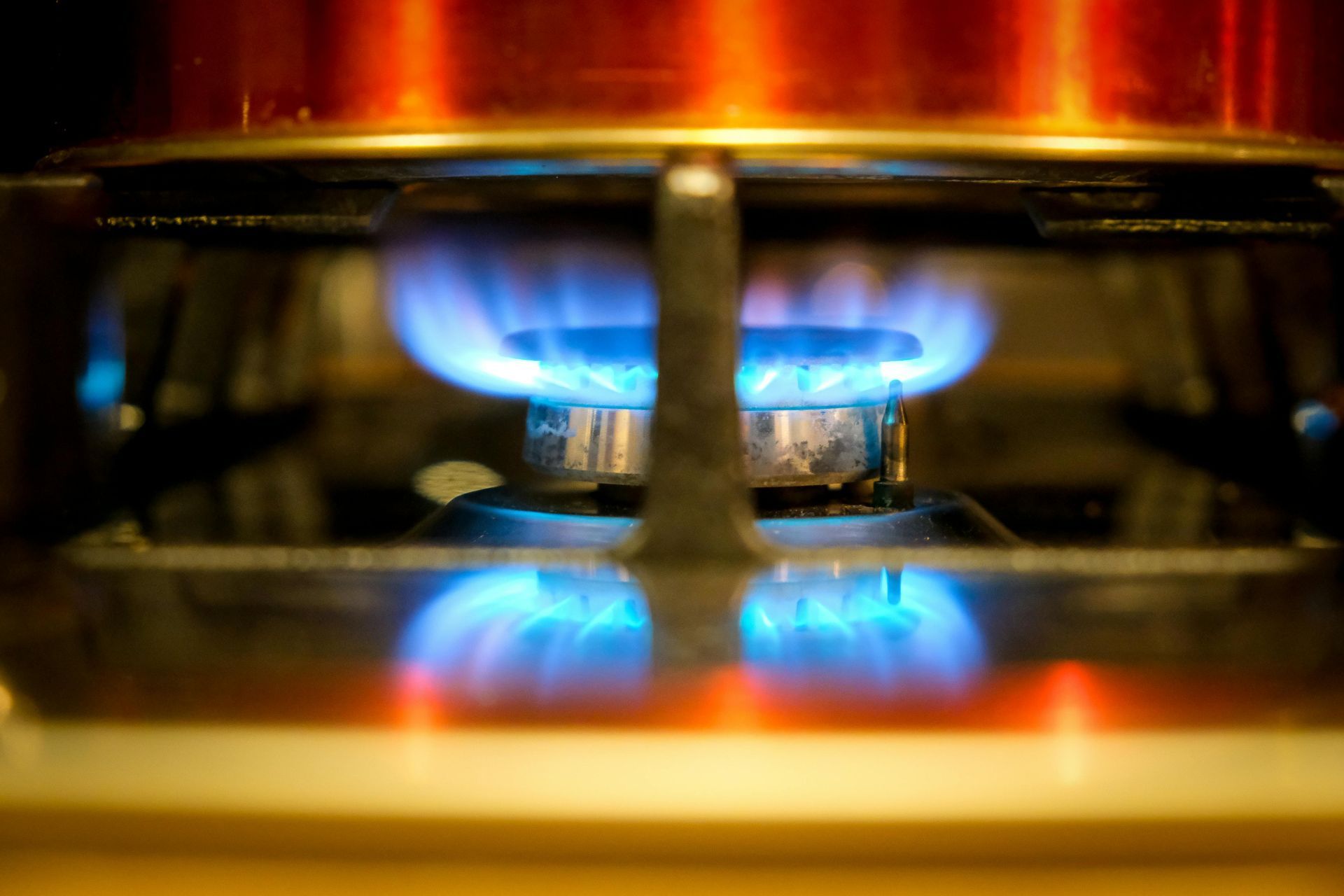
There are not as many gas levies compared to electricity. However, the ones to look out for would be the following:
Green Gas Levy (GGL)Introduced in November 2021, this quarterly levy helps fund theGreen Gas Support Scheme (GGSS). Its goal is to boost the proportion of biomethane (a renewable alternative to fossil fuel gas) entering the grid. Both homes and businesses contribute.
Climate Change Levy (CCL): Like electricity, gas is also subject to the CCL. The CCL is a carbon tax on energy and is calculated per kilowatt-hour of energy consumed. The CCL main rate for gas is 0.801p per kWh for the 2026/27 charging year, 1 April 2026 to 31 March 2027, up from 0.775p per kWh in 2025/26. HMRC publishes these as £0.00801 and £0.00775 per kWh.
Why are these levies rising?
- First, the schemes themselves are growing: more renewable projects are being supported, and new levies like the Nuclear RAB are being added as the energy transition accelerates.
- Second, policy costs are increasingly loaded onto bills rather than general taxation, which means bill payers fund the transition directly.
Understanding this trajectory matters, because the non-commodity share of your bill is forecast to keep growing, and a contract strategy that ignores it misses a third or more of your total cost.
Why It Matters
If you are on a pass-through contract, you see these charges at cost, with no supplier risk premium added, which often works out cheaper than a fixed price where the supplier has priced in the risk of levy increases. The trade-off is budget certainty: fixed contracts protect you from mid-year surprises, but you pay for that protection.
Next time your bill comes in, don’t just focus on the total cost but understand what each charge is. Doing so could help you anticipate future levy increases and foresee future expenses when it comes to your energy bills.
If you have any questions or want help lowering energy costs, contact us at 0161 521 3400 or Info@purelyenergy.co.uk. Alternatively, you can get a quick quote.
© 2026 Purely Energy Ltd. Terms of use.
How we produced this article
This article was human-written by Faith Labong on 11 September 2025 and reviewed by Purely Energy Editorial Team on 16 July 2026. It is scheduled for its next review on 16 July 2027.
Sources
- Climate Change Levy rates, gov.uk (accessed 5 August 2026)
Read our editorial standards and corrections policy.


